







Search Results for: coffee liquid frothing

A Detailed Explanation of the Principles and Methods of Americano Latte Art: Using Foamed Coffee Liquid Instead of Milk, Including a Practical Guide with Front Street Classic Blend
Latte art has always been regarded as the exclusive domain of lattes, but Americano can actually achieve beautiful patterns too. This article starts from the basic principles of latte art—the proteins in milk wrap around air to form a low-density foam, which floats on the surface of espresso crema to create patterns—and then leads into the feasibility of using the coffee liquid itself to foam instead of milk. We will share in detail how to froth espresso by adding ice water to increase the liquid volume and lower the temperature, and provide a complete hands-on demonstration using Front Street Classic Blend. Finally, we compare the differences in flavor, strength, and mouthfeel between latte-art Americano and regular hot Americano, offering coffee enthusiasts a completely new way to experience Americano. [more…]
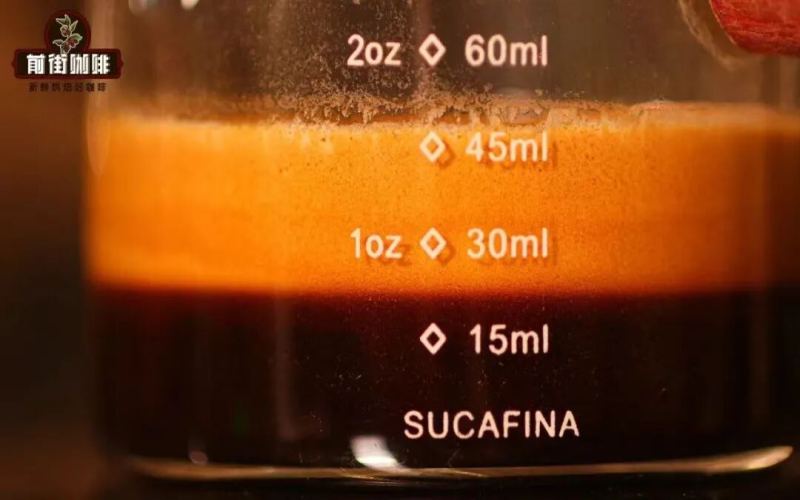
Coffee Latte Art | Can You Make Latte Art with Americano Black Coffee? How to Make Coffee Latte Art with Hot Americano? What Does Americano Coffee with Latte Art Taste Like?
Customer: "Boss, I'd like a coffee with some nice latte art!" Front Street: Okay, would you like a latte, a flat white, or a cappuccino? Customer: "An americano!" Front Street: ... Latte art, to be precise, should be called "Latte Art," which translates to "latte art" (milk art). [more…]

Can Americano also be made with latte art patterns? A detailed explanation of the principles and steps of milk-free latte art
Americano has always presented itself as a black coffee, with a recipe consisting only of espresso and water—seemingly having no connection to latte art. But in fact, as long as you grasp the core principles and make minor adjustments, Americano can also display clear latte art patterns. This article will start from the basic principles of latte art, explain why a milk-free Americano can also be frothed, and break down the operational process in detail—including the ratio of water to ice cubes, the espresso extraction method, the key points of steaming and frothing, and the details to note when pouring the design. Front Street Coffee will also demonstrate through actual operation, guiding you step by step to complete a cup of Americano latte art with dense foam, so that enthusiasts who do not like milk coffee can also enjoy the fun of latte art. [more…]

Optimal Flavor Temperature Analysis for Milk Coffee: Latte Milk Foam Steaming Principles and Fusion Degree Assessment Standards
The key to a delicious latte lies in the fusion state of milk and coffee and the temperature when it enters the mouth. This article will systematically explain the scientific principles of milk foaming, the factors affecting the fusion degree of milk foam and coffee, and reveal the differences in milk foam durability at different frothing temperatures through experimental data. At the same time, it provides cause analysis and solutions for common problems in daily operation, such as milk foam not fusing and milk foam floating up during latte art. The article also combines the practical experience of Front Street Coffee to explain why around 60°C is the optimal flavor temperature range for milk coffee, and how to judge whether the milk foam fusion degree is up to standard. [more…]
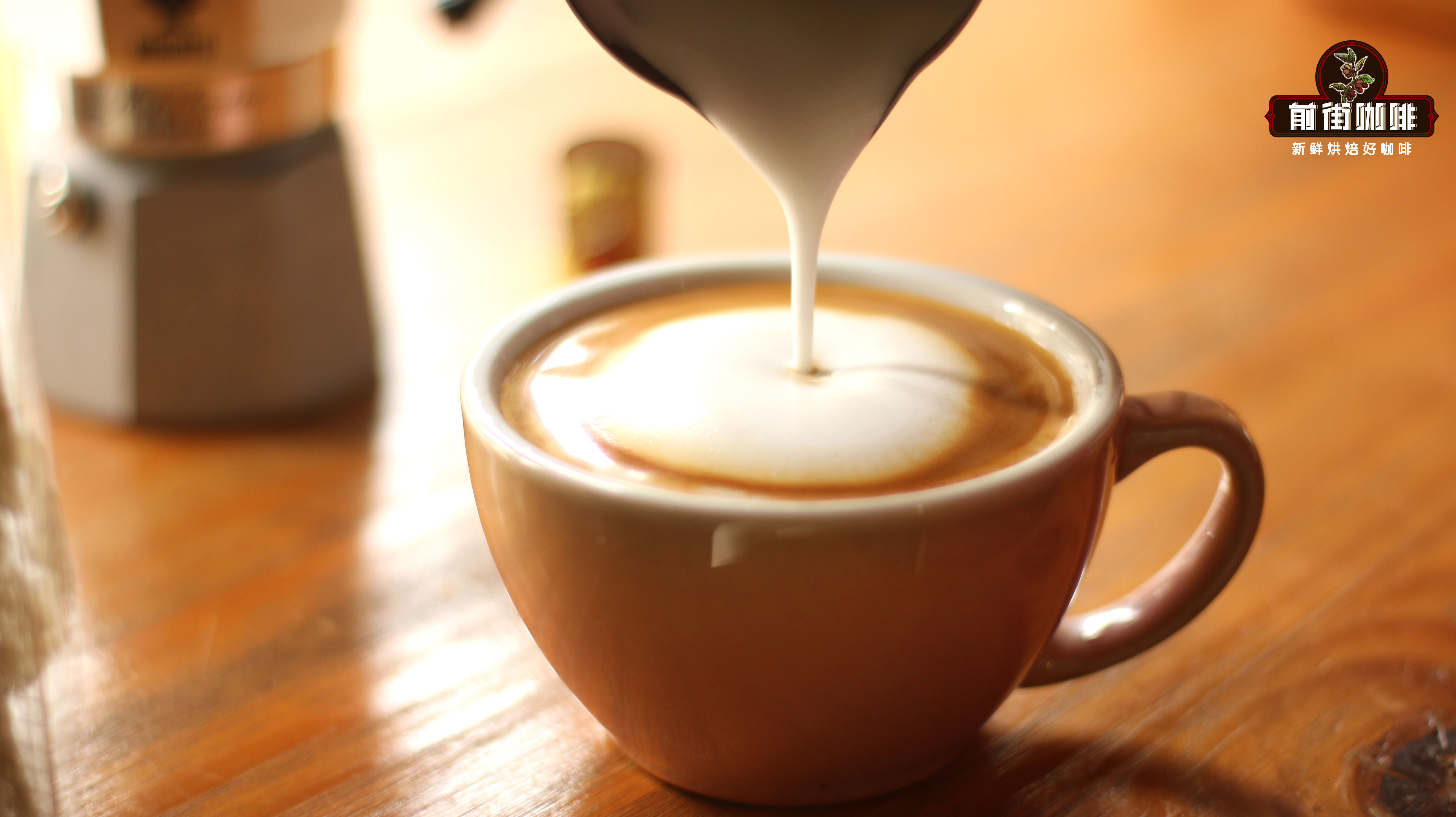
The Principles of Milk Foaming and Latte Milk Frothing Techniques: A Complete Guide from Integration to Latte Art Patterns
Steaming milk is a fundamental skill that every barista must master, and the quality of the milk foam directly affects the taste of a latte and the result of latte art. Drawing on the practical experience of Front Street Coffee, this article explains in detail the physical principles of milk frothing, answers common problems such as foam that won't incorporate, separation, and surface bubbles, and explains how steam pressure and foam fineness determine incorporation. The article also compares the stability of milk foam at different temperatures, provides two frothing methods—manual and steam—summarizes five common mistakes, and finally includes a step-by-step tutorial on tulip latte art. Whether you are a beginner or a coffee enthusiast looking to refine your skills, you will find practical guidance here. [more…]

Full Guide to Making Flowing Iced Americano: Three Whipping Methods and Ice-to-Water Ratios Explained
The Start of Winter in Guangdong often feels like a mere formality—after a brief cooldown, the heat quickly returns, so the demand for iced coffee naturally stays high. As a classic heat-beating staple in cafés, iced Americano and its creative variations also attract plenty of attention. Among them, the "quicksand iced Americano" has recently been the item most frequently asked about by customers at Front Street Coffee locations. Although Front Street Coffee does not sell this product, its production principle is in line with that of iced Americano, with the only difference being the technique. This article will begin with the formation principle of the quicksand effect, then introduce in detail three different frothing methods—the espresso machine steam wand, the shaker, and the French press—and provide the specific ratios of coffee liquid, ice cubes, and water required for each. At the same time, it will also share espresso bean choices suitable for making iced Americano, including Front Street Coffee Huakui SOE, Front Street Coffee Grana Geisha SOE, and several blends, to help everyone recreate this distinctive deliciousness at home. [more…]
The Essential Guide to Milk Frothing for Specialty Coffee: Milk Foaming Principles, Assessing Integration, and Optimal Temperature Explained
Milk foam is the soul of a latte and a cappuccino. In a proper latte, the milk foam should be thin and fine-textured, with a glossy surface, and go down smoothly. Drawing on Front Street Coffee's hands-on experience, this article systematically sorts out the basic principles of milk steaming, answers the most common questions when steaming milk—why the foam doesn't incorporate, and why the foam floats on the surface during latte art—and gives criteria for judging the degree of incorporation. At the same time, through comparison experiments at different temperatures, the article explains what temperature is most suitable for heating milk and why the foam rapidly collapses after exceeding 70°C. Whether you are a complete beginner or an enthusiast hoping to refine your latte art skills, you will find practical reference here. [more…]
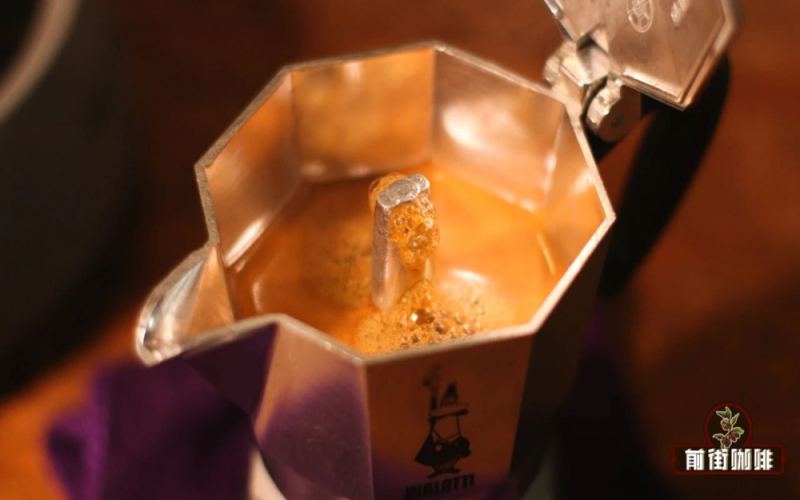
Easily Make Cappuccino at Home: A Complete Guide to Espresso and Milk Frothing Techniques
Cappuccino, with its rich coffee aroma and dense milk foam, has always been a popular choice in coffee shops. But have you ever thought about recreating an authentic cappuccino at home without a professional espresso machine? This article will start with the flavor characteristics of cappuccino, breaking it down into two parts: espresso and steamed milk. It will introduce extraction methods such as the moka pot and pour-over, as well as frothing techniques using an electric milk frother, milk frothing pitcher, and French press. Front Street Coffee will also share a sunflower warm sun blend bean suitable for pairing with milk, along with specific coffee-to-water ratios, water temperatures, and operating steps to help you easily make a cappuccino at home with the right temperature and full-bodied taste. [more…]
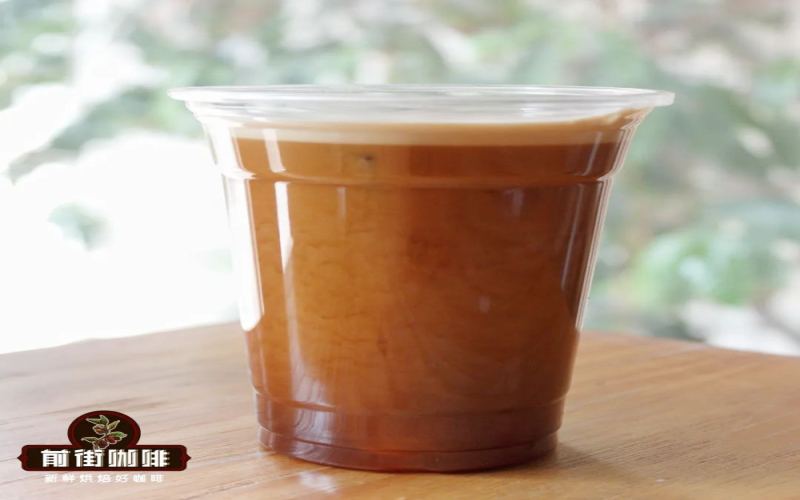
What is a Shaken Iced Americano? A Complete Guide from Espresso Whipping to Layered Texture
Iced Americano has always been the best-selling item with the lowest barrier to entry in coffee shops, requiring only a simple combination of espresso, ice cubes, and water. But if you take a few extra steps on this basis, you can get a cup of quicksand iced Americano with a completely different visual effect and taste. Its core lies in using steam to whip the crema of the espresso into a golden, fine foam, which naturally layers after resting, presenting a scene of fine sand slowly sliding down. This article will completely break down this drink from principles, operational steps to flavor performance, and also introduce the presentation method of waterfall iced Americano, as well as the practical suggestions summarized by Front Street Coffee during production, to help coffee lovers replicate at home a creative Americano that combines both visual appeal and drinking pleasure. [more…]
Why Does Milk Frothing Always Go Wrong? A Full Guide to Analyzing Five Common Misconceptions and Practical Tips
Steaming milk is a fundamental skill every barista must master, but many people run into problems during the process, such as milk foam not incorporating, separating into layers, or dissipating quickly. Drawing on the hands-on experience of Front Street Coffee, this article systematically explains the principles of milk foaming, the key factors affecting incorporation, how milk foam performs at different temperatures, and the differences between steaming milk and frothing it by hand. It also compiles the five most common mistakes made when steaming milk, along with detailed steps for a tulip latte art pour, to help you comprehensively improve your milk foam quality and latte art skills. [more…]

Six commonly overlooked key details and pouring techniques for steaming latte milk foam
An outstanding latte art design relies on the support of fine, smooth milk foam. Many coffee enthusiasts, when practicing milk frothing, tend to focus only on the position of the steam wand and the aeration technique, while overlooking some details that determine success or failure. Today, Front Street Coffee will break down, one by one, the key points to pay attention to when frothing milk, covering six aspects: temperature control, milk refrigeration, purging the steam wand, angle adjustment, the number of times to tap the pitcher, and the practice of transferring the milk. Mastering these easily overlooked steps can help you reduce the chances of failure and take the density and fluidity of your milk foam to the next level. [more…]

What temperature should the milk foam for a hot latte be? What temperature should a cappuccino be kept at?
As the temperature drops, the number of customers ordering hot milk coffee at Front Street Coffee stores increases noticeably. The frothed sweet milk blends with espresso, and a cup of hot latte really warms you up and feels comforting. But what is the appropriate temperature to heat milk to? What problems can excessively high milk temperature cause? And how should one judge and control the frothing temperature? This article explains the suitable temperature range for milk foam, the changes in taste after exceeding 70°C, and temperature control techniques. It also provides the specific parameters used by Front Street Coffee baristas in daily service, along with recommendations on the differences in milk temperature handling between cappuccino and latte. [more…]

Why Does Latte Milk Foam Dissipate Quickly? A Detailed Explanation of the Factors Affecting Stability and Frothing Techniques
A freshly made latte has a silky smooth surface, but after sitting for a moment it develops a rough, uneven texture—this is the process of milk foam collapsing. Milk foam is essentially foam formed when air is injected into milk, and when left to stand, it separates due to density differences, with small bubbles gradually merging and bursting. The speed of collapse depends on foam stability, which is affected by multiple factors such as steaming technique, milk temperature, and coffee bean freshness. Drawing on Front Street Coffee's store experience, this article systematically analyzes the major reasons behind rapid latte foam collapse and offers practical improvement suggestions to help coffee enthusiasts enhance their latte art quality and taste experience. [more…]
The Complete Guide to Steaming Milk for Espresso Machines: From Beginner Steps to Milk Froth Texture Assessment and Latte Art Techniques
Want to make a latte at home with an espresso machine? Steaming silky, smooth milk foam is a key step. Many people think steaming milk is as simple as sticking the steam wand into the milk, but in practice they often run into problems like splashing milk, coarse foam, and overheated milk. This article starts with how to use the steam wand correctly and then breaks down the complete milk-steaming process step by step, including how to purge condensate from the wand, how to find the right air-intake position, when to bury the nozzle deeper, and what temperature range is most suitable. It also shares tips for judging foam quality and things to watch out for in the daily cleaning of the steam wand. The equipment-selection advice and operating details mentioned in the article are useful reference for both beginners and advanced enthusiasts. [more…]
How Is a Shaken Ice Americano Different from a Regular Ice Americano? A Complete Analysis from Principles to Three Brewing Methods
The quicksand iced americano, with its visual effect of fine sand-like particles slowly settling in the cup, has always held a place among creative coffees. How exactly does it differ from a regular iced americano? From the perspective of Front Street, this article first explains the aeration principle behind the "quicksand" phenomenon, then provides reference ratios of espresso to ice water, and breaks down three preparation methods one by one: steam wand, French press, and manual or electric milk frother. Regardless of which tool is chosen, the finished drink has a rich, smooth texture and delivers an experience similar to foamy beer. The article also specifically notes: Front Street's stores do not offer this beverage. [more…]

Latte Art Milk Froth Techniques | How Can Coffee Beginners Steam Silky Milk Froth? Which Espresso Beans Are Suitable for Latte Art?
Walking into a coffee shop, many people will choose a fancy coffee based on espresso, such as a latte, cappuccino, americano, etc. Each coffee has its own unique flavor, such as the perfect blend of coffee and milk in a latte, the thick milk foam of a cappuccino, and the light and mild taste of a flat white, all of which [more…]

A Comprehensive Guide to Milk Frothing Techniques for Espresso and Coffee Bean Variety Pairings
To make a dense, silky latte or cappuccino at home, the key lies in milk frothing and pairing it with espresso. Drawing on the hands-on experience of Front Street Coffee, this article systematically explains the selection and preservation of whole milk, the complete steps for steaming and stretching milk, and the parameter control during extraction. It also introduces the flavor differences and blend ratios of three espresso beans from Front Street—Sunflower Warm Sun, Dark Cocoa, and Specialty Blend—helping coffee lovers choose the espresso beans that suit their taste preferences and master a stable espresso extraction method. [more…]

Master Latte Art from Scratch: A Complete Breakdown of Hand Gestures and Steps, Plus Efficient Practice Methods for Beginners
To make a hot latte with beautiful latte art at home, drinking coffee alone is not enough—the key lies in mastering milk frothing and latte art techniques. From the perspective of Front Street, this article first introduces the origins and proportions of latte coffee, then gradually breaks down the two major stages of latte art: integration and pouring, and explains in detail the air intake and texturing steps of milk frothing. The article also includes efficient practice tips to help you transition from practicing with water to working with real milk, so you can avoid detours and quickly pour basic patterns like hearts and tulips. [more…]
The Complete Guide to Steaming Milk for Lattes: How to Nail Temperature, Thickness, and Timing
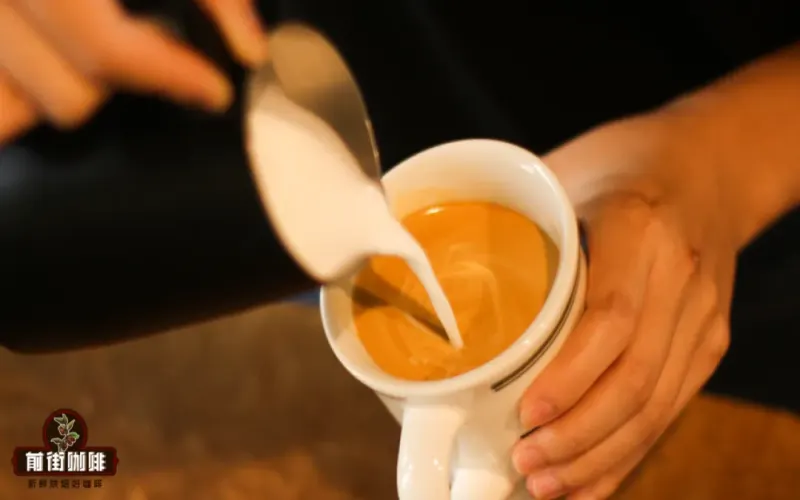
To make a latte with dense, silky microfoam and a surface as smooth as a mirror for latte art, the quality of the milk foam is key. Starting from the working principle of the steam wand, this article explains in detail how to produce fine, glossy, free-flowing microfoam by adjusting the position of the steam tip, the frothing angle, and the immersion depth. It also explains the temperature standard for judging when frothing is complete (55-65°C), as well as how to fix the foam once large bubbles appear. Front Street Coffee also offers bean selection suggestions suitable for home practice based on the characteristics of its own espresso blend, and includes a complete six-step operating procedure to help beginners get started quickly. [more…]

Fancy Coffee Making Tutorial | How to make a latte with latte art just like at a coffee shop at home? How to froth latte milk foam well? What are the key points for frothing milk foam for latte art in a latte?
Walking into a café, many people choose a fancy coffee based on espresso, such as a latte, cappuccino, or americano. Each coffee has its own unique flavor, like the perfect blend of coffee and milk in a latte, the thick milk foam of a cappuccino, and the light and smooth taste of a flat white, all [more…]